 Plain
Plain How Gut Health Beyond The Marketing Fits a Real Routine, for Real Life
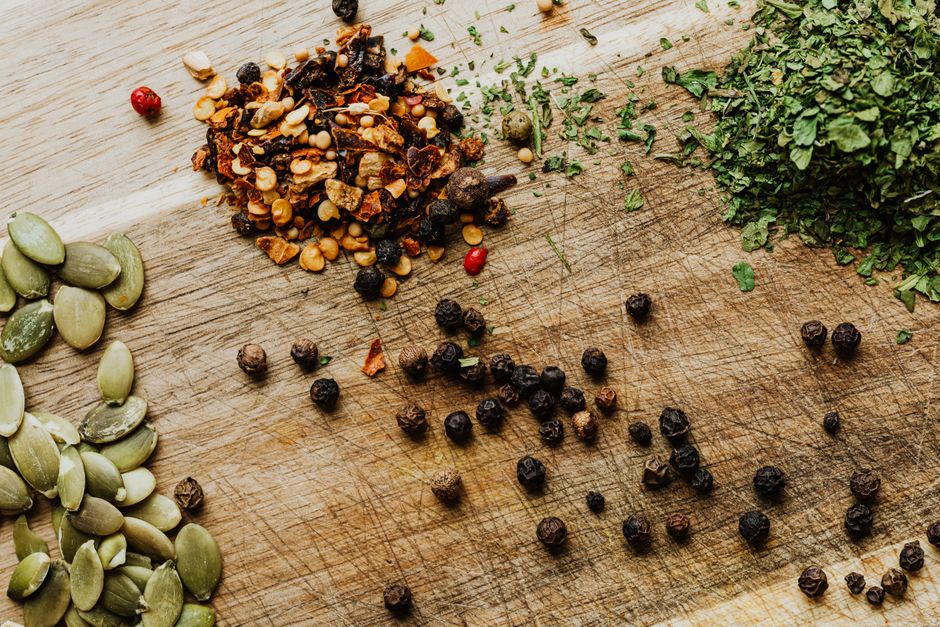
Starting out with gut health beyond the marketing feels easier once you focus on one small step at a time. The aim here is to keep things realistic and easy to sustain. The rest of this article walks through gut health beyond the marketing step by step, in plain language.
Start here
On a day-to-day level, what is not established is most of the rest: that a stool test can currently tell an individual what to eat, that a particular probiotic will change mood or immunity in a health-supporting person, or that a cleanse achieves anything the liver and kidneys were not already doing.
The goal is progress you can maintain, not perfection you have to chase and eventually abandon.
The first easy step
The practical advice that follows is dull and cheap. Eat a wider range of plants across a week — the count matters more than the individual choices. Include some fermented food. Keep fibre up. Take antibiotics when they are needed and not when they are not.
The practical takeaway is to keep gut health beyond the marketing simple enough that it survives a busy week, not just a good one.
Building a little at a time
In practice, persistent symptoms deserve a different response entirely. Ongoing pain, blood, unexplained weight loss, or a change in bowel habit lasting weeks are reasons to see a doctor, not reasons to try another supplement. Trusted resources such as the NIH National Center for Complementary and Integrative Health cover this in more depth.
None of this has to happen all at once; even one small adjustment in this area tends to pay off over time.
What to expect early on
It helps to remember that the community of micro-organisms in the gut is a legitimate and fast-moving field, and it is also the area where the distance between what is known and what is sold is widest. Plausible mechanisms are being marketed as settled findings, and personalised tests are being sold well ahead of the evidence.
Simple habits to try
Put simply, what is reasonably established is unglamorous. Diversity of plant foods is associated with diversity of gut bacteria. Fibre is the primary fuel for the organisms that produce beneficial compounds. Antibiotics disrupt the population, generally temporarily. Long-term dietary pattern makes a difference more than any single food or supplement.
Practical tips
Here are a few easy places to start:
- Start small and stay consistent rather than aiming for a dramatic change.
- Anchor a new habit to something you already do each day, like your morning coffee.
- Keep the useful option easy to reach and the tempting one a little harder.
- Give any change a few weeks before judging whether it is helping.
The bottom line
The best approach is the one you can keep going with. Keep it simple, be patient with yourself, and let small changes add up. That is usually all it takes.
Frequently asked questions
What is the single most important thing to focus on?
Consistency. A modest routine you actually keep beats an ambitious plan you abandon after a week.
How long before I notice a difference?
It varies from person to person. Give any new habit a few weeks of consistency before deciding whether it is working for you.
Is this relevant if I'm just starting out?
Yes. You can begin with one small change and build from there. With gut health beyond the marketing, steady progress beats trying to do everything at once.
Is this suitable for busy people?
Yes. Most of the ideas here fold into things you already do each day, so they take little extra time.